








Hearing aids placed on a pastel pink yoga mat with a folded towel in the background.

Quality hearing aid solutions

Audika offers award-winning hearing aid solutions from leading manufacturers. Discover how the latest hearing aid technology can improve your life.

Hearing aid models

group of people icon with blue and green accents
Helped over
30,000 New Zealander's
A blue calendar icon displays the number ’90’ in bold, centered on a white background under a green header, symbolizing a 90-day timeframe, possibly for a hearing aid trial or service.
90-day
money-back guarantee^

3 benefits of quality hearing aids

1

Better communication
Clear tones, natural sound quality and better speech understanding.

2

Reduced fatigue
Less mental strain in everyday listening situations.

3

Reduction of unnecessary sounds
No more whistling sounds, wind and background noise.
A person wearing a discreet, flesh-toned hearing aid listens attentively while another individual wearing large over-ear headphones is nearby, suggesting a hearing test or consultation in a professional clinic.

What sets quality hearing aids apart from the rest? 

Quality digital hearing aids are recommended by Audika hearing care experts as their high-tech abilities provide the user with a wide range of benefits.

These hearing aids include the latest technology, which has a positive influence on the overall sound quality and user experience.

Find a clinic near you
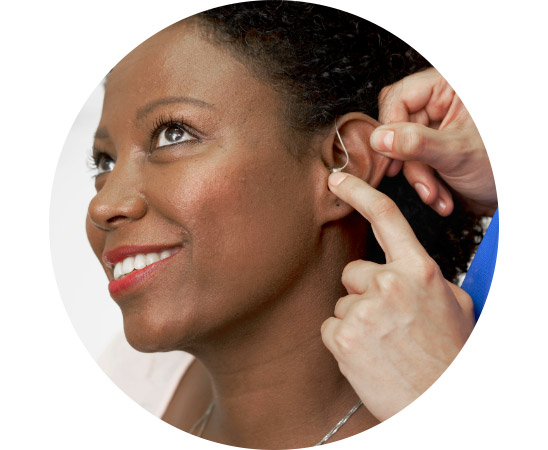
A person’s ear is fitted with a behind-the-ear hearing aid by an audiologist’s hands, likely in a professional hearing clinic setting. The focus highlights hearing care services and device adjustment.

High-tech features available in Audika’s hearing aid solutions

Hearing aid technology has progressed significantly over the past two decades, improving the hearing aid user’s quality of sound and overall experience. Digital technology enhancements are expected to continue to develop in the coming years - further improving the customer experience.

Why should you choose Audika?

 
Different types of hearing aids displayed, including in-the-ear, behind-the-ear, and receiver-in-canal styles.

Hearing aid technology and features

360-degree icon with a circular arrow wrapping around the number.
360-degree sound experience
Gives you access to the relevant sounds around you, including speech, and puts you in charge of which sounds you want to focus on.
Colorful ear illustration with a heart shape integrated into the design.
Tinnitus support
Offers a wide range of customizable tinnitus relief sounds that are dynamic, yet soothing.
Shield icon featuring an ear symbol, representing privacy and protection in hearing health care
Feedback reduction
Stops the annoying whistling sound before it occurs, so no feedback interrupts speech understanding and communication.
BrainHearing icon with a green brain illustration outlined in blue.
BrainHearing™
Supports the brain’s natural process of making sense of all the sounds around you, thereby reducing fatigue.

BrainHearing technology

Bluetooth symbol in blue and green on a black background
Bluetooth connectivity
Connect to all your favorite devices easily, and use your hearing aids as wireless headphones.

Bluetooth hearing aids

Charging battery icon with lightning bolt symbol.
Rechargeable batteries
These built-in batteries do not need to be replaced regularly. Simply charge the hearing aids in their charger at night.

Rechargeable hearing aids

What is the difference between digital hearing aids and hearing amplifiers?

Analog hearing aids (hearing amplifiers) amplify all sounds (such as speech and noise) in the same way. However, these types of hearing aids are becoming less and less common.

In contrast, digital hearing aids are more common in today’s world.

Digital hearing aids analyze speech and other environmental sounds which allow for more complex processing during the amplification process (resulting in better sound quality). This capability may improve performance in certain situations (by reducing background noise, for example).

This process makes it easier for the hearing aid user to adjust the sound to their personal preferences or individual needs. Most digital hearing aids are also programmed to adjust automatically to the sound environment.

Sources

1. https://www.nidcd.nih.gov/health/hearing-aids
2. https://www.webmd.com/healthy-aging/hearing-aids#1
3.https://www.ncbi.nlm.nih.gov/pmc/articles/PMC4111503/
4. MarkeTrak 10, Marketing Research, Inc.
5. https://www.oticon.global/hearing-aid-users/hearing-aids/products/opn-s