






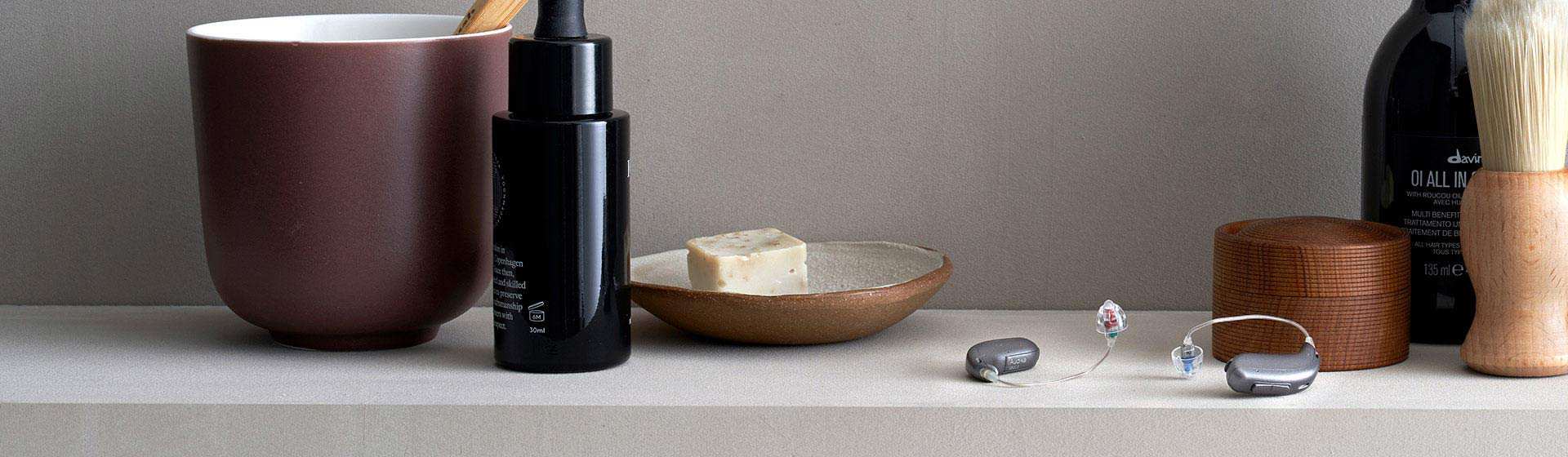
Image shows digital hearing aids

Digital hearing aids

Digital hearing aids are essentially smart minicomputers in your ear. They offer an improved hearing experience by automatically adjusting to the sound environment around you. The settings can be personalized, and they can connect to other digital devices.

Book a FREE* hearing check Hearing aid types

Icon of doctor
No referral
needed
icon of group of people
Helped over
30,000 New Zealander's

6 benefits of modern digital hearing aids

A group of four people stands outdoors in a casual conversation. They are wearing business-casual attire, with blurred faces, and the setting shows a sunny urban environment with trees and buildings.
1. Digital hearing aids are fitted to your specific hearing needs
Smiling man enjoying an outdoor dinner with a woman in a cozy evening setting.
2. Digital hearing aids adjust automatically to your listening situation
Man wearing earbuds and looking at his phone indoors
3. Your digital hearing aid can connect wirelessly to other Bluetooth devices
A hand holds a small Oticon hearing aid with a discreet design, featuring a transparent outer shell on a thin wire, against a softly blurred background in a hearing care context.
4. Some digital hearing aids are available in small, discreet styles
People engaging in conversation outdoors in a natural setting.
5. Digital hearing aids are capable of improving speech understanding
A hand adjusts a behind-the-ear hearing aid on a person's ear, demonstrating proper placement. The context highlights personal hearing care, possibly in a hearing clinic setting. No visible text or branding is present.
6. The price of a digital hearing aid at Audika includes a wide range of aftercare services

Popular features in digital hearing aids

Illustration of 360 degrees
360-degree sound experience
One of the latest technological advancements in digital hearing aids, this feature can give you access to the relevant sounds around you (including speech). This benefit puts you in charge of which sounds you want to focus on.
Illustration of a brain
Brainhearing technology
The latest digital hearing aids from Oticon support the brain’s natural process of making sense of sound by allowing the brain to hear in the most natural way possible.

Illustration of a shield with an ear
Feedback reduction
Digital hearing aids can stop this annoying whistling sound before it occurs so that there is no potential feedback that can interrupt speech understanding and communication.
Illustration of an ear
Tinnitus support
The tinnitus masking feature in digital hearing aids offers a wide range of customizable tinnitus relief sounds that are dynamic, yet soothing.
Illustration of Bluetooth icon
Bluetooth connectivity
Many digital hearing aids can easily be connected to all your favorite devices, allowing your hearing aids to be used as wireless headphones.
Illustration of battery
Rechargeable batteries
Many digital hearing aids have built-in batteries that do not need to be replaced regularly (as disposable batteries do). Simply charge your hearing aids in the charging station overnight.

9.2/10 based on 10,453 reviews
A senior woman, wearing a light green cardigan, interacts with family outdoors in a park setting. Inset shows a pair of discreet in-ear hearing aids, emphasizing effective hearing solutions. A discreet Oticon miniRITE R hearing aid is worn behind a man's ear, highlighting its sleek design and rechargeable feature against a neutral white backdrop. Text reads: 'miniRITE R.' A discreet Oticon miniRITE R hearing aid is worn behind a man's ear, highlighting its sleek design and rechargeable feature against a neutral white backdrop. Text reads: 'miniRITE R.' Three types of hearing aids—miniRITE (behind the ear), ITC (in the canal), and Plus/Ultra Power (behind the ear for severe hearing loss)—are displayed with close-up ear visuals. Two modern hearing aids shown in use: The miniRITE sits discreetly behind a man’s ear, while the Plus/Ultra Power provides higher amplification for a woman. Text: 'miniRITE' and 'Plus/Ultra Power.' A discreet Oticon miniRITE R hearing aid is worn behind a man's ear, highlighting its sleek design and rechargeable feature against a neutral white backdrop. Text reads: 'miniRITE R.' A discreet Oticon miniRITE R hearing aid is worn behind a man's ear, highlighting its sleek design and rechargeable feature against a neutral white backdrop. Text reads: 'miniRITE R.' The image showcases four types of hearing aids: IIC (Invisible-in-Canal), CIC (Completely-in-Canal), ITC (In-the-Canal), and miniRITE (Receiver-in-the-Ear) worn by individuals in varied ear placements, emphasizing discreet and advanced hearing solutions in a clinical context. Three types of hearing aids are shown: miniRITE (receiver-in-the-ear) placed behind an ear, Half Shell (custom in-ear), and Full Shell (larger custom in-ear) for various hearing needs.

Hearing aid finder: See what type suits you

Take 1 minute to find out what hearing aid models suits your preferences.
What is your level or hearing loss?
What is more important for you in a hearing aid?
What is your preferred type of battery?

Your result

Based on your answers the following hearing aid types would suit your needs:

  • miniRITE R

Would you like to visit us for your free trial?

*The result of the test may only be used for guidance and is not meant to replace a more accurate measurement of your hearing abilities and needs by one of our hearing care experts.

Your result

Based on your answers the following hearing aid types would suit your needs:

  • miniRITE R

Would you like to visit us for your free trial?

*The result of the test may only be used for guidance and is not meant to replace a more accurate measurement of your hearing abilities and needs by one of our hearing care experts.

Your result

Based on your answers the following hearing aid types would suit your needs:

  • miniRITE
  • BTE Plus/Ultra Power
  • In-the-canal (ITC)

Would you like to visit us for your free trial?

*The result of the test may only be used for guidance and is not meant to replace a more accurate measurement of your hearing abilities and needs by one of our hearing care experts.

Your result

Based on your answers the following hearing aid types would suit your needs:

  • miniRITE
  • BTE Plus/Ultra Power

Would you like to visit us for your free trial?

*The result of the test may only be used for guidance and is not meant to replace a more accurate measurement of your hearing abilities and needs by one of our hearing care experts.

Your result

Based on your answers the following hearing aid types would suit your needs:

  • miniRITE R

Would you like to visit us for your free trial?

*The result of the test may only be used for guidance and is not meant to replace a more accurate measurement of your hearing abilities and needs by one of our hearing care experts.

Your result

Based on your answers the following hearing aid types would suit your needs:

  • miniRITE R

Would you like to visit us for your free trial?

*The result of the test may only be used for guidance and is not meant to replace a more accurate measurement of your hearing abilities and needs by one of our hearing care experts.

Your result

Based on your answers the following hearing aid types would suit your needs:

  • miniRITE
  • Invisible-in-the-canal (IIC)
  • Completely-in-the-canal (CIC)
  • In-the-canal (ITC))

Would you like to visit us for your free trial?

*The result of the test may only be used for guidance and is not meant to replace a more accurate measurement of your hearing abilities and needs by one of our hearing care experts.

Your result

Based on your answers the following hearing aid types would suit your needs:

  • Halfshell/full shell
  • miniRITE

Would you like to visit us for your free trial?

*The result of the test may only be used for guidance and is not meant to replace a more accurate measurement of your hearing abilities and needs by one of our hearing care experts.

Step 1 of 5

How do digital hearing aids work?

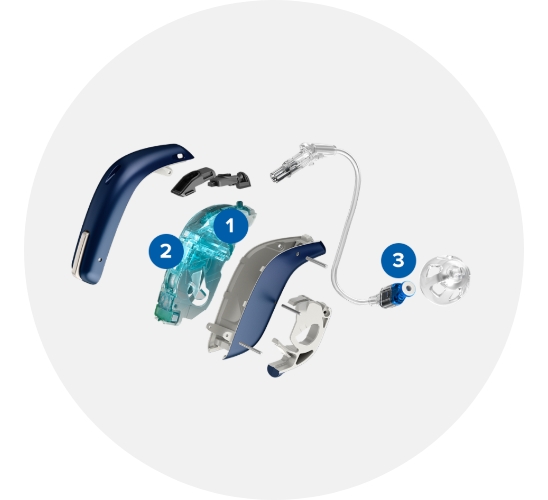
Modern, digital hearing aids work by amplifying sound via a three-component system:

  1. Microphone – Receives the sound waves and converts them into electrical signals
  2. Amplifier – Increases the strength of the sound signals and sends them to the ear 
  3. Receiver/speaker - Converts the amplified electrical signal into sound and delivers it into the ear canal

Digital hearing aids automatically adjust the volume and listening programs based on the environment.

Bluetooth hearing aids
Round image show digital hearing aids in exploded view