






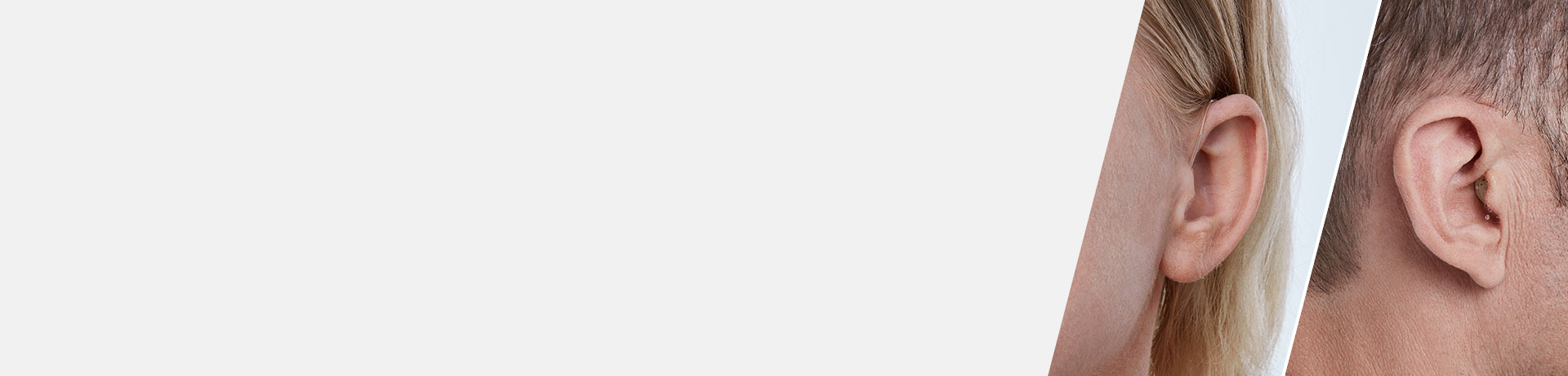

Hearing aids worn behind the ear by a woman and a man, showcasing different styles and fittings.
A blue calendar icon displays the number ’90’ in bold, centered on a white background under a green header, symbolizing a 90-day timeframe, possibly for a hearing aid trial or service.
90-day
money-back guarantee^
Doctor icon with a stethoscope around the neck
No referral
needed
group of people icon with blue and green accents
Helped over
30,000 New Zealander's

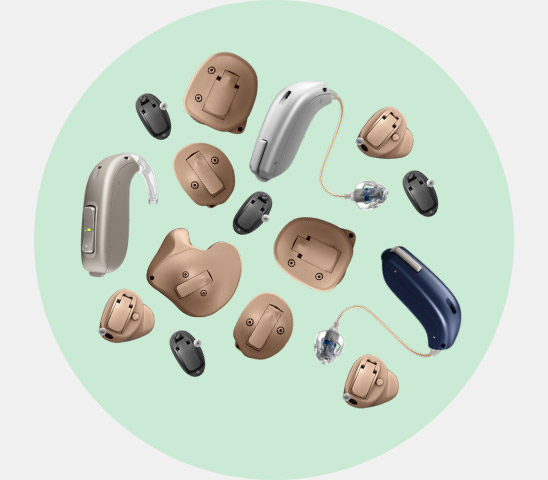
Different types of hearing aids displayed, including in-the-ear, behind-the-ear, and receiver-in-canal styles.

Finding the right type of hearing aid

Ready to improve your hearing but not sure what type of hearing aid is best for you? You’ve come to the right place. On this page you will get an overview of:

  • All the basic types of hearing aids
  • Facts and features to consider when choosing the right type for you

Additionally, you are always welcome to visit one of our hearing clinics, where we will be happy to show you some of the most popular hearing aid models available.
Find a hearing clinic nearby

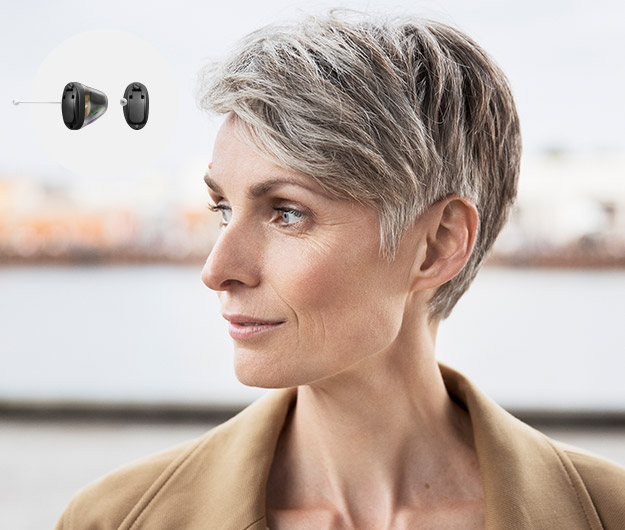
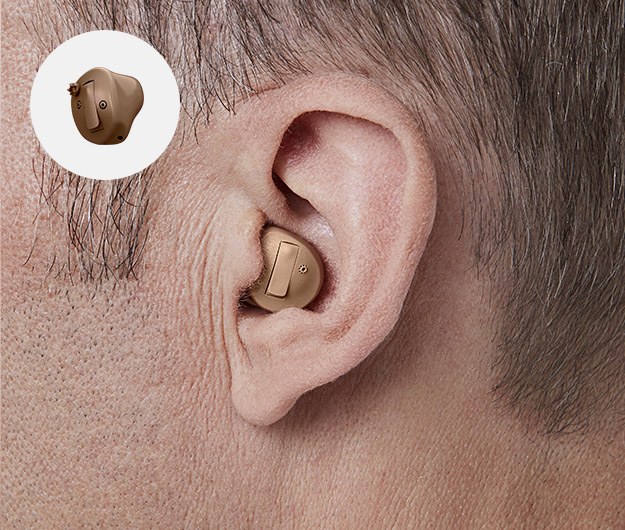
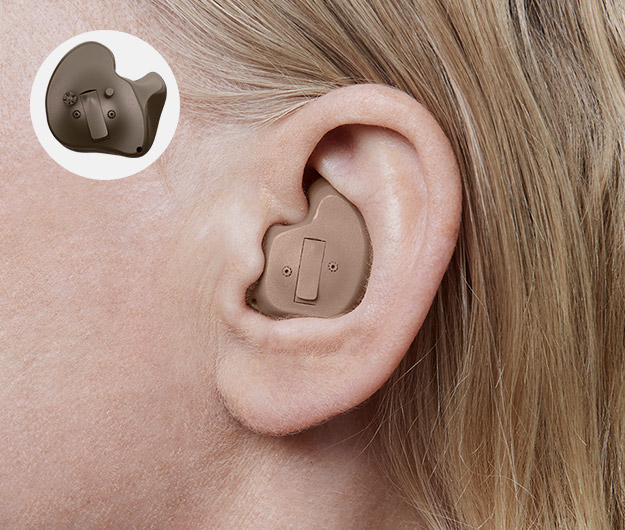
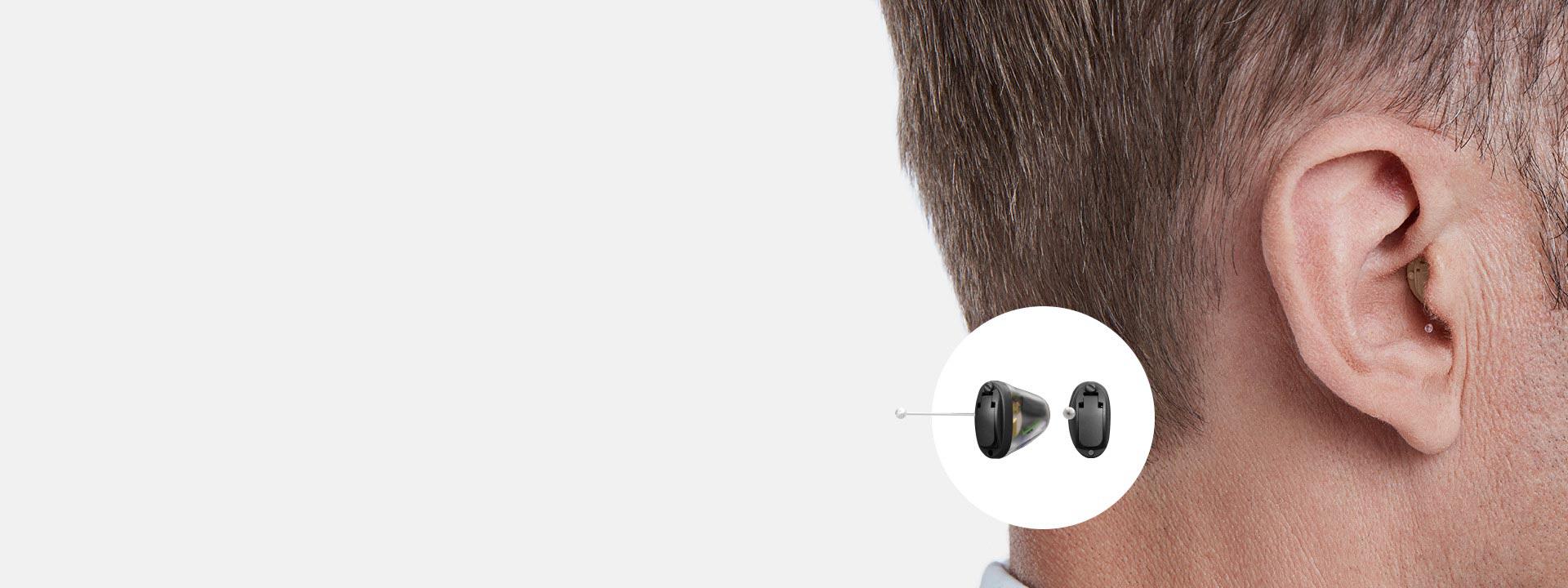
In-the-ear hearing aid discreetly fitted inside the ear canal with close-up detail of the device.

Hearing aid type: In-the-ear

There are five types of in-the-ear hearing aids, ranging from the invisible-in-the-canal to the full shell in-the-ear hearing aid:

  • Suited for mild to severe hearing loss
  • The smallest style is virtually invisible inside the ear
  • The full shell style fits inside the outer bowl of the ear
  • All types are custom-made to suit the shape of your ear, ensuring optimal comfort and sound quality
  • Some models offer Bluetooth® technology so that you can stream sound from your phone, computer or TV
Book FREE* hearing checkIn-the-ear hearing aids

4 facts about in-the-ear hearing aids

Illustration of an ear with a hearing aid device
1. Discreet and less noticeable than other hearing aid types
Stylized ear illustration with blue and green accents
2. May be susceptible to ear wax and moisture build-up
battery icon indicating replacement or error
3. Rarely available with rechargeable batteries
Bluetooth symbol in blue and green on a black background
4. Can include Bluetooth® streaming and telecoil features

Tips from an audiologist

Find a hearing clinic with in-house audiologists or specialists who provide counseling based on your specific needs. A specialized hearing clinic will have several hearing aid types and brands, allowing you to find the most optimal solution for you.

Book FREE* hearing check

Smiling person wearing a white shirt against a light green background.
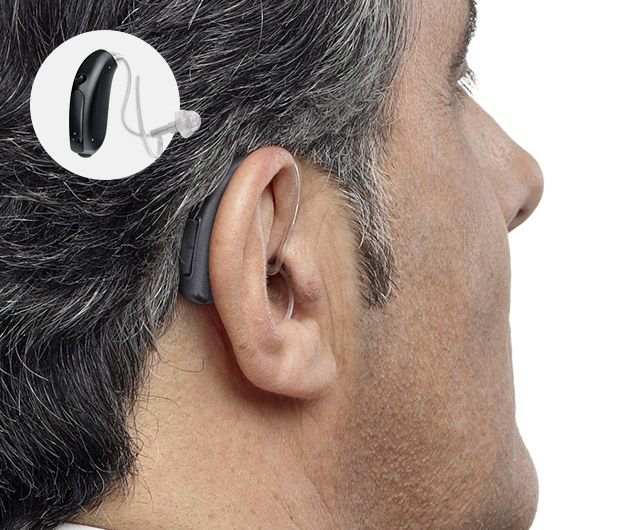
Hearing aid positioned behind the ear of a man, with a close-up of the device showcasing its design and features.

Hearing aid type: Behind-the-ear

These types are the most popular hearing aids for people with hearing loss.

  • Suited for mild to profound hearing loss
  • All components are housed behind the ear with a clear tube leading to an earpiece that fits inside your ear
  • Modern hearing aids are sleeker and slimmer than older versions and are great for people with dexterity challenges or visual impairment.
  • While modern behind-the-ear models are very discreet, they are not as invisible as in-the-ear hearing aids.
  • Feature powerful technology and typically have more feature options than in-the-ear hearing aids
Behind-the-ear hearing aids

4 facts about behind-the-ear hearing aids

A minimalist blue outline illustration of a behind-the-ear hearing aid with a green accent, featuring a connected ear mold. The design emphasizes hearing care and hearing aid technology. No text present.
1. More powerful and versatile than in-the-ear hearing aids
Rechargeable battery with green charge level, blue lightning bolt icon, and circular arrows indicating reusability.
2. Rechargeable battery options available
Colorful ear illustration with a heart shape integrated into the design.
3. Some users find the behind-the-ear placement more comfortable
TV and remote control icon
4. Can often connect to and stream wirelessly from smartphones, TVs and tablets

Eye symbol crossed out next to a woman’s ear with short gray hair.

Invisible hearing aids

Modern hearing aids are more discreet than ever before. In fact, many hearing aids are practically invisible. Designed to be especially discreet, the smallest variants of in-the-ear hearing aids are placed inside the ear canal. Examples of these include:

  • Invisible-in-the-canal hearing aids
  • Completely-in-the-canal hearing aids

These types are considered to be the most invisible hearing aids available. Since they sit completely inside your ear canal, people are unlikely to notice them.

Several types of behind-the-ear hearing aids are also very discreet and will not be particularly noticeable when worn. Behind-the-ear hearing aids allow for more features and advantages, making them the preferred type of hearing aid for many wearers.

Invisible hearing aids


Hearing aid charging case with two beige hearing aids placed on a closed book next to a decorative vase.
Rechargeable hearing aids

Some hearing aids offer the convenience of rechargeable batteries. An easy overnight charge allows for hassle-free maintenance by eliminating the need to regularly replace batteries. Having rechargeable hearing aids removes the inconvenience of having to change batteries, which is a benefit to all, especially for those with dexterity challenges.

Rechargeable hearing aids


Bluetooth symbol next to a woman using her smartphone outdoors.

Bluetooth® hearing aids

If you choose a hearing aid with Bluetooth® technology, you can connect it to your TV so that you can hear the TV audio directly in your hearing aid, making it easier to hear your favorite TV show.

It is also possible to connect a hearing aid to other Bluetooth® devices, such as mobile phones, computers, and tablets. If you have an iPhone, then your Bluetooth® hearing aids can double as a wireless headset, allowing you to listen to music or make hands-free phone calls.

Bluetooth® hearing aids

What to consider when researching hearing aid types

Guide to choosing hearing aids

There are several factors that can determine which hearing aid is the right model for you. This 3-step guide will help you understand how to find the best hearing aid for you.

Guide to hearing aids

Various hearing aids, including behind-the-ear and in-the-ear models, are displayed on a light green circular background, showcasing different styles and sizes from beige, black, and blue color options. No text is present.

^Applies to Demant hearing devices only (Oticon & Bernafon brands, excludes accessories).