9.2/10 based on 13,564 reviews
Hearing aid positioned behind a man’s ear with focus on device details.

What are Behind-the-ear hearing aids?

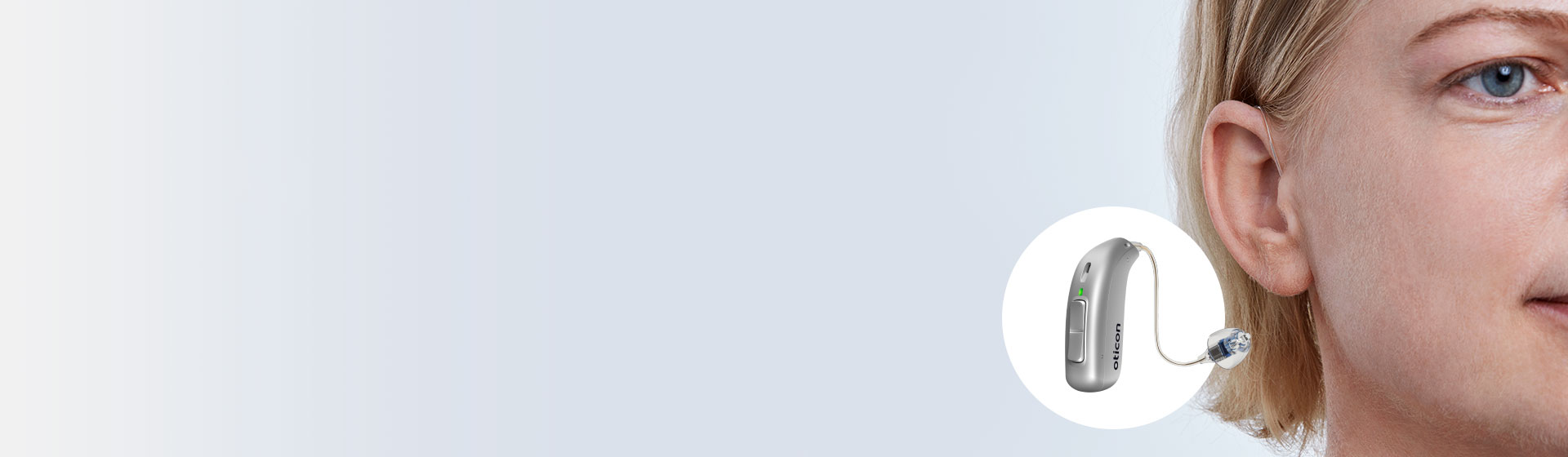
As indicated by the name, behind-the-ear (BTE) hearing aids have a design that allows the main body of the hearing aid to sit hidden behind the ear. A clear, discreet wire or tube is then connected to an ear mold or dome and placed comfortably inside the ear canal.

BTE hearing aids are the most popular types of hearing aids on the market today. Recently, they have become smaller, more adaptable, and much more powerful.

In-the-ear hearing aids

Illustration of an ear with a hearing aid
Versatile
They come in various styles and colors, are suitable for mild to profound hearing loss, and can include a wide range of features.
Colorful ear illustration with a heart shape integrated into the design.
Comfortable
Placed partially behind and in your ear, they provide a comfortable listening experience and are easy to adjust.
Charging battery icon with lightning bolt symbol.
Powerful
With both rechargeable and disposable options available, they can house large batteries (thereby increasing battery life.)

Behind-the-ear hearing aid styles

Learn about and compare the different styles

Receiver-in-the-ear hearing aids

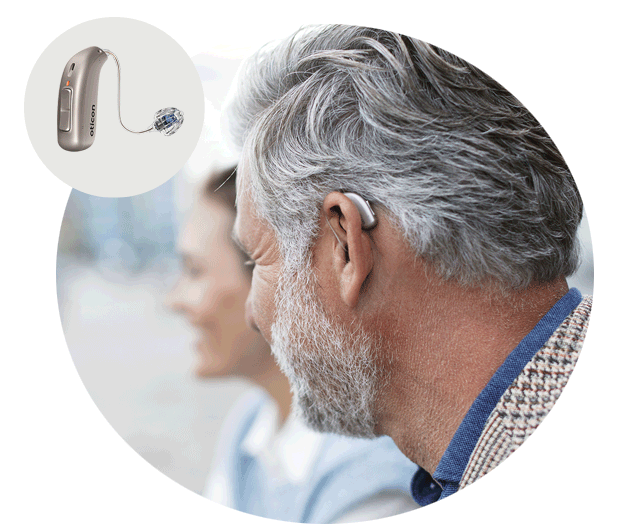
The RITE and miniRITE hearing aid is placed discreetly behind the ear and is connected by a thin wire which places the speaker or receiver inside the opening of the ear or ear canal.

  • Suitable for most types of hearing loss
  • Smaller and less noticeable than traditional BTE hearing aids
  • Rechargeable battery options available
  • Bluetooth enabled connection to other devices wirelessly1
  • Natural sound quality and more comfortable fit

Book free, 30-day trial See model examples

A silver Oticon hearing aid is discreetly worn behind the ear of a white-haired man engaging in conversation. Inset: close-up of the Oticon hearing aid with a miniFit receiver.

Behind-the-ear (BTE) hearing aids

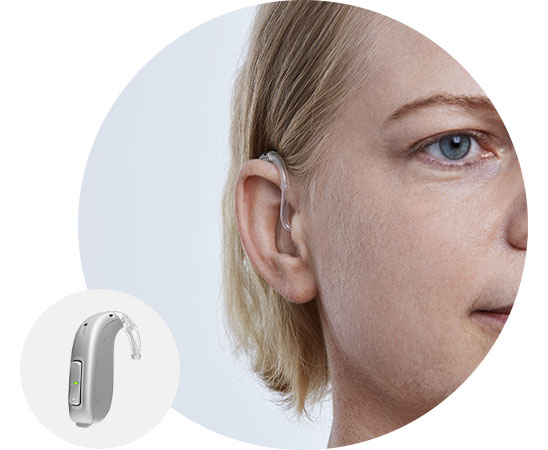
A clear tube connects the main body of the hearing aid (nestled behind the ear) to an earmold or dome that fits inside the ear canal.  The following features make BTE hearing aids a versatile option: 

  • Suitable for most  hearing losses 
  • Suitable for most ears
  • Bluetooth enabled connection to other devices wirelessly1
  • Able to accommodate high-tech features (due to larger size)
  • Telecoil, volume and program controls are easy to manipulate
  • Larger battery size provides more power

Book a FREE* hearing check See model examples

Woman with blonde hair wearing a behind-the-ear hearing aid.
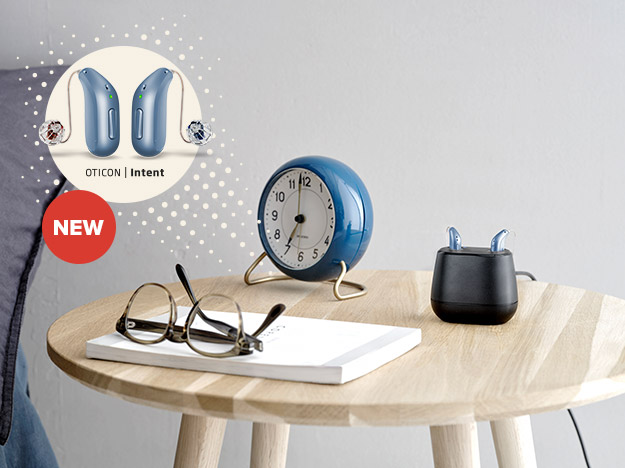
A pair of Oticon Intent hearing aids rest in a black charging station on a wooden table beside a blue alarm clock, glasses, and a notebook. Text reads: ’NEW OTICON | Intent.’

What is the best hearing aid behind the ear?

Oticon has won several awards for its groundbreaking hearing aid technology. The newest Oticon Intent™ hearing aid allows you to experience the sound scene in balance and clarity whilst supporting how your brain naturally works.

  • Discreet miniRITE style
  • Bluetooth enabled connection to other devices wirelessly1
  • Rechargeable
Book a FREE* hearing check Oticon Intent

Features of behind-the-ear hearing aids

Learn about what to expect from hearing aids behind the ear
Bluetooth connectivity
Bluetooth enabled connection to other devices wirelessly(1)
Easier to keep clean
Since only the ear mold or dome comes in direct contact with the ear canal, they are less vulnerable to moisture and wax build-up.
Fewer issues with feedback
This benefit is achieved by the microphone and receiver being placed farther away from each other than in some ITE hearing aids.
Longer battery life
They include larger batteries, allowing for a longer battery life.
More open-fitting
The thin tube that sits in the ear canal provides ample air ventilation.
Comfortable
Learn about what to expect from hearing aids behind the ear.
Rechargeable batteries
They are available with both disposable and rechargeable battery options.
Suitable for severe-profound losses
They can cater to more severe hearing loss levels than some other hearing aid types.
katherine grey blouse green background hearing care expert
Katherine Bayly - Head of Audiology Clinical Governance and Quality

Audiologist MNZAS CCC, MAud(Hons) BSc

Katherine has worked in the audiology sector for over 20 years.   She began her audiology career in the public health system here in New Zealand, and has since gained a wide range of audiological skills,  having worked in paediatrics, diagnostics, cochlear implants, tinnitus counselling and within the hearing device industry.

With her broad experience Katherine has now taken on the role of Head of Audiology for Audika New Zealand. Katherine’s focus is on ensuring every client that Audika interacts with feels they have been provided with the best possible care; that they have been listened to and been treated with the highest level of care by all clinical team members. “At Audika we specialise in hearing care, so our aim is to ensure we provide truly personalised, comprehensive care from the moment our clients first walk in the door, right through to the regular check ups and reviews we continue to provide throughout their hearing journey”. 

1additional accessories may be required.